

Office Address
Shelter Afrique House Mamlaka Road, Nairobi, Kenya.
Phone Number
+254 717 687 200
Email Address
mary.wambua@victoriantravelsolutions.co.ke
Shelter Afrique House Mamlaka Road, Nairobi, Kenya.
+254 717 687 200
mary.wambua@victoriantravelsolutions.co.ke
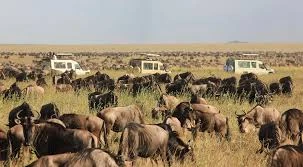
Tucked away in southwestern Kenya, the Masai Mara National Reserve isn’t just a safari destination—it’s a living, breathing masterpiece of nature. Endless golden savannahs roll into the horizon, acacia trees dot the landscape like punctuation marks, and wildlife roams with a kind of confidence you rarely see anywhere else. This is Africa at its most iconic.
The Masai Mara is an extension of Tanzania’s Serengeti, forming one of the most important wildlife ecosystems on Earth. Its open plains, winding rivers, and dramatic skies create a setting that feels cinematic at every hour of the day. Sunrise paints the land in soft pastels, while sunsets explode in fiery oranges and purples—honestly, it’s unfair how beautiful it is.
The reserve is named after the Maasai people, whose culture and traditions are deeply woven into the identity of the region, and the Mara River, the lifeline that sustains countless species.
If there’s one event that puts the Masai Mara on every traveler’s bucket list, it’s the Great Wildebeest Migration. Each year, over 1.5 million wildebeest, along with zebras and gazelles, thunder across the plains in search of greener pastures.
The most dramatic moments happen at the Mara River crossings—where crocodiles lurk, predators wait, and survival hangs by a thread. It’s raw, intense, and unforgettable. No documentary truly prepares you for witnessing it in person.
The Masai Mara is famous for its Big Five—lion, leopard, elephant, buffalo, and rhino—but that’s just the beginning. Cheetahs sprint across open fields, giraffes move with effortless grace, and hippos crowd the rivers in noisy clusters.
Bird lovers are in for a treat too, with over 450 bird species, from majestic eagles to colorful lilac-breasted rollers. Every game drive feels like a surprise waiting to happen.
A visit to the Masai Mara isn’t complete without learning about the Maasai community. Known for their vibrant red attire, beadwork, and proud traditions, the Maasai have lived alongside wildlife for generations. Cultural visits offer insight into their way of life, values, and strong connection to the land—adding depth and meaning to the safari experience.
July to October: Best for the Great Migration and dramatic river crossings
January to March: Excellent wildlife viewing and fewer crowds
April to May: Lush landscapes and fewer tourists (green season)
Each season brings its own magic, so there’s really no “wrong” time to go.
Beyond game drives, the Masai Mara offers unforgettable experiences like hot air balloon safaris, where you float silently above the plains as the sun rises, or guided nature walks that reveal the smaller, often-overlooked wonders of the ecosystem.
The Masai Mara isn’t just a place you visit—it’s a place you feel. It humbles you, excites you, and reminds you how powerful and beautiful the natural world still is. Whether you’re watching lions laze under a tree or witnessing the chaos of a river crossing, one thing is certain: the Masai Mara stays with you long after you’ve left.
Your email address will not be published. Required fields are marked *